eSIM Mongolia: Mobile Internet & Travel Guide 2026
8/25/2026
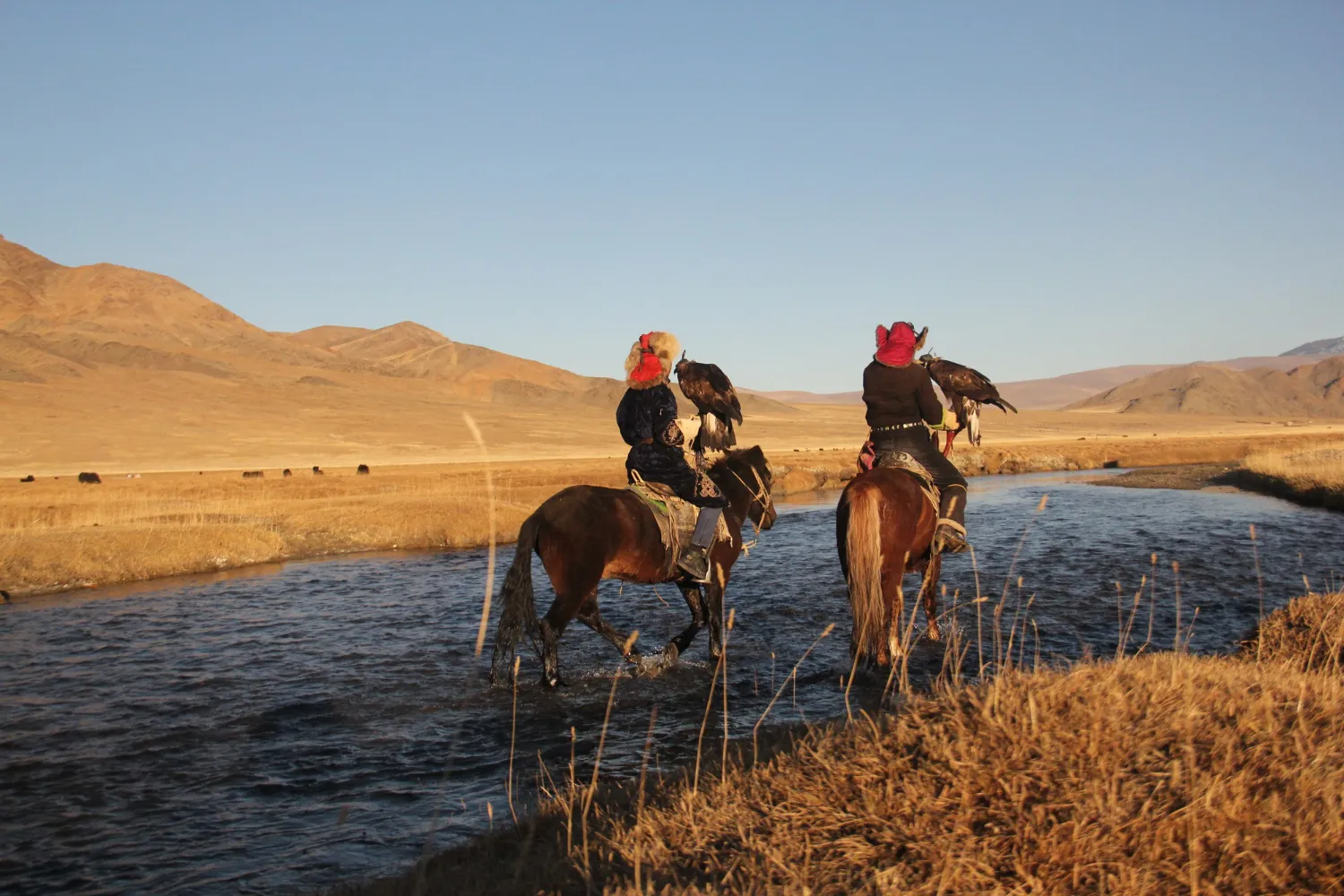
Planning a trip to Mongolia? From Ulaanbaatar to the Gobi Desert, having mobile internet makes travelling much easier — especially for maps, translations, bookings and staying in contact with your accommodation or guide.
Using an eSIM in Mongolia means you can arrange your mobile data before departure and avoid searching for a physical SIM card after you arrive.
Here are the most important things to know about mobile internet and travelling in Mongolia.
Mongolia: Quick Facts
Capital | Ulaanbaatar |
Currency | Mongolian Tögrög (MNT) |
Language | Mongolian |
Best time to visit | June–September |
Mobile networks | Mobicom, Unitel, Skytel, G-Mobile |
EU roaming | No |
Mobile coverage | Good in cities, limited in remote areas |
Main airport | Chinggis Khaan International Airport |
Emergency number | 105 |
Time zone | UTC+8 in Ulaanbaatar |
Does eSIM work in Mongolia?
Yes. If your smartphone supports eSIM and is carrier-unlocked, you can use a travel eSIM in Mongolia.
Instead of buying a physical SIM after landing, you can purchase your data package before your trip, install the eSIM at home and connect when you arrive.
You can see available data packages on the SimAbove Mongolia eSIM page.
Not sure whether your device supports eSIM? Check your phone’s eSIM compatibility before purchasing.
A quick check is also possible by dialing *#06#. If your phone displays an EID number, it generally supports eSIM.
Mobile coverage in Mongolia
This is probably the most important thing to understand before travelling around Mongolia.
Mongolia is one of the world’s most sparsely populated countries. Mobile coverage is therefore very different from what travellers may be used to in Europe.
In Ulaanbaatar and other populated areas, 4G mobile internet is widely available.
Outside cities, coverage becomes less predictable.
You may have connectivity around towns, settlements and some major roads, but there are also large remote areas where mobile coverage can be weak or completely unavailable.
This is especially important when travelling through:
- the Gobi Desert;
- remote steppe regions;
- mountainous areas;
- national parks;
- long distances between settlements.
An eSIM gives you access to the available mobile network — it cannot create coverage where there is no network.
Tip: Download Google Maps offline before leaving Ulaanbaatar or another populated area.
How much data do you need in Mongolia?
For most travellers:
3–5GB — maps, WhatsApp, email and light browsing.
5–10GB — regular maps, browsing and social media during a 1–2 week trip.
10GB+ — frequent social media, photo/video uploads, video calls or hotspot use.
Video consumes significantly more data than navigation or messaging, so downloading entertainment over Wi-Fi before your trip can save a lot of mobile data.
You can compare the available Mongolia eSIM packages here.
Travelling more than once a year?
Frequent travellers can also consider SimAbove Premium Pass, which gives access to cheaper eSIM packages.
This can make more sense than paying the standard package price for every individual trip.
eSIM vs local SIM in Mongolia
Both options work.
A local SIM from operators such as Mobicom or Unitel can make sense for a longer stay.
The advantage of a travel eSIM is convenience.
You can:
- buy it before departure;
- install it at home;
- keep your normal SIM in your phone;
- avoid looking for a SIM shop after arrival;
- know your data cost in advance.
For a short holiday or business trip, this is often the simpler option.
eSIM vs roaming in Mongolia
Mongolia is not part of the EU/EEA roaming area.
If you’re travelling from Europe, don’t assume that your normal EU data allowance works in Mongolia.
Your home operator may charge separate international roaming rates.
Using a prepaid eSIM for Mongolia lets you choose and pay for your data package before travelling.
Remember to select the travel eSIM for Mobile Data after landing so your phone doesn’t accidentally use expensive roaming through your primary SIM.
When should you install your Mongolia eSIM?
Install it before you travel.
Do this while you still have reliable Wi-Fi at home.
The easiest sequence is:
Before departure:
Check compatibility → buy the eSIM → install it.
After landing:
Select the Mongolia eSIM for mobile data → enable data roaming for the eSIM if required → connect.
You can check whether your phone supports eSIM here.
Best time to visit Mongolia
For most travellers, June to September is the easiest time to visit.
Temperatures are warmer and conditions are better for road trips, hiking, horse riding and exploring the countryside.
July is particularly popular because of the Naadam Festival, Mongolia’s famous celebration featuring traditional wrestling, horse racing and archery.
Winter travel is possible, but Mongolia can become extremely cold.
What to see in Mongolia
Ulaanbaatar
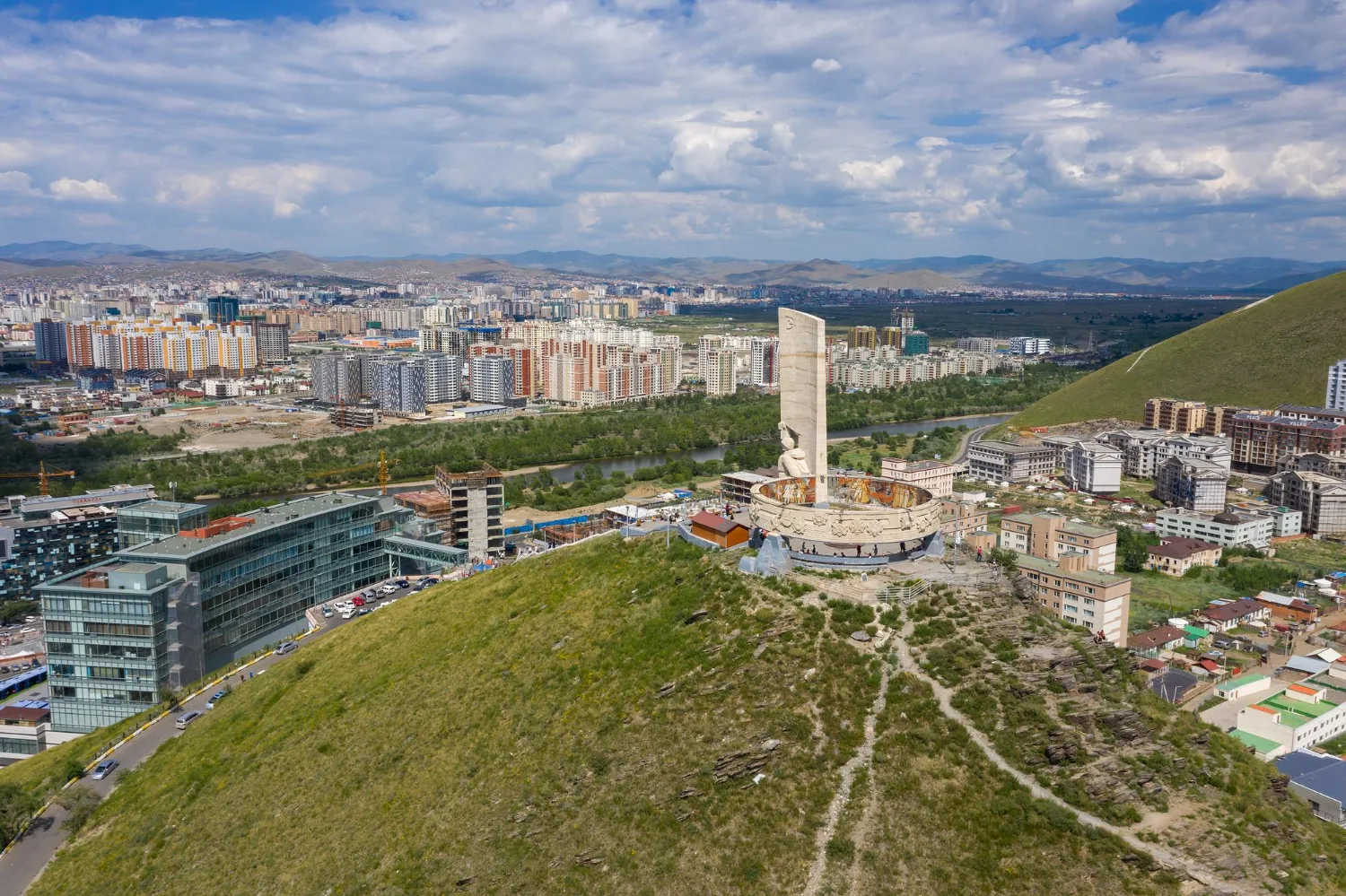
Most international trips begin in Mongolia’s capital.
Ulaanbaatar is the country’s cultural, economic and transport centre and a good place to spend a couple of days before heading into the countryside.
Gobi Desert
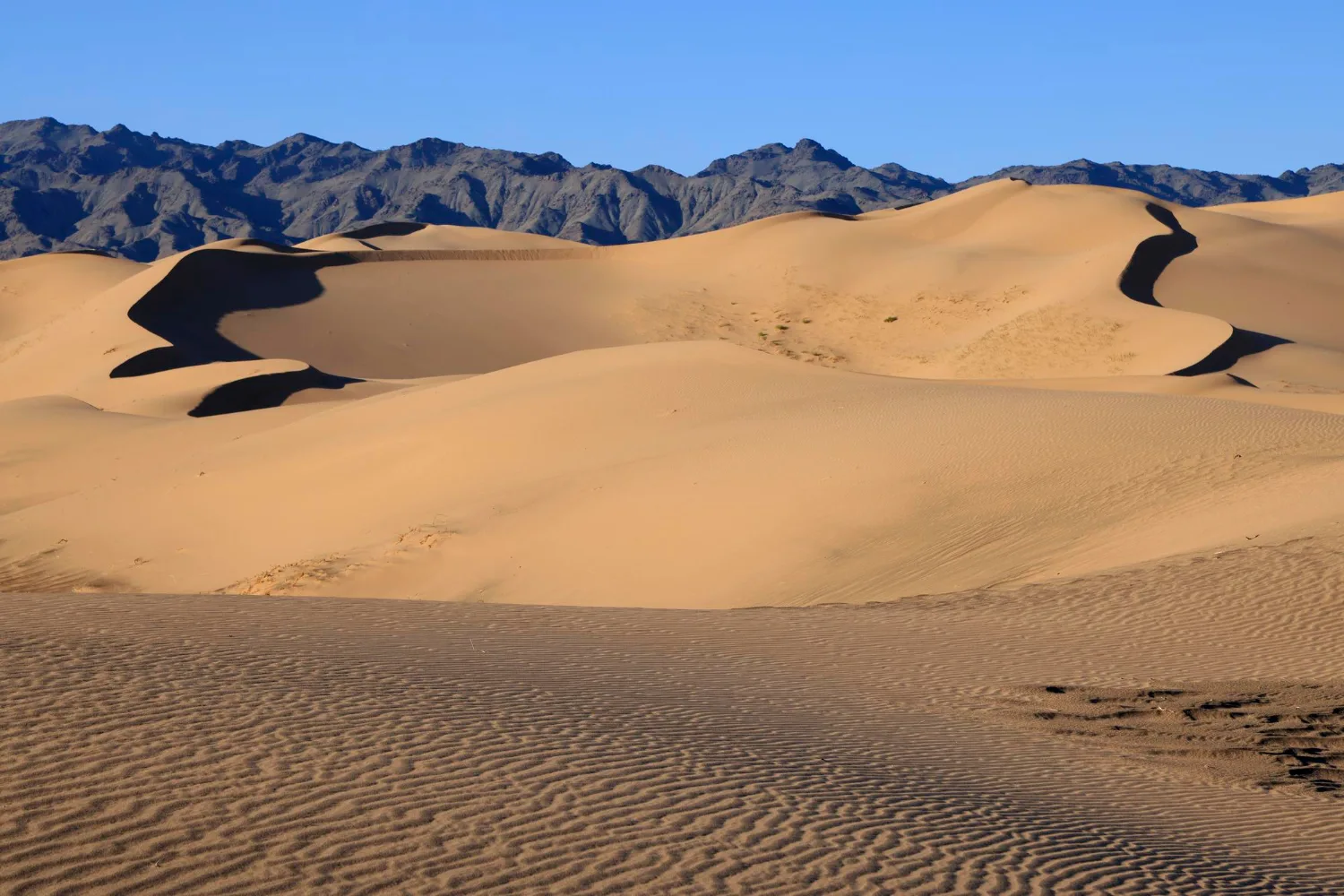
One of Mongolia’s biggest attractions.
Expect enormous open landscapes, dramatic rock formations, sand dunes and very long distances between settlements.
Mobile coverage shouldn’t be relied upon throughout the Gobi, so offline maps are essential.
Khongoryn Els
The spectacular Khongoryn Els sand dunes are one of the highlights of a Gobi trip.
They’re sometimes called the “Singing Dunes” because of the sound produced by moving sand.
Flaming Cliffs
Bayanzag, better known as the Flaming Cliffs, is famous for its red landscape and important dinosaur fossil discoveries.
Gorkhi-Terelj National Park
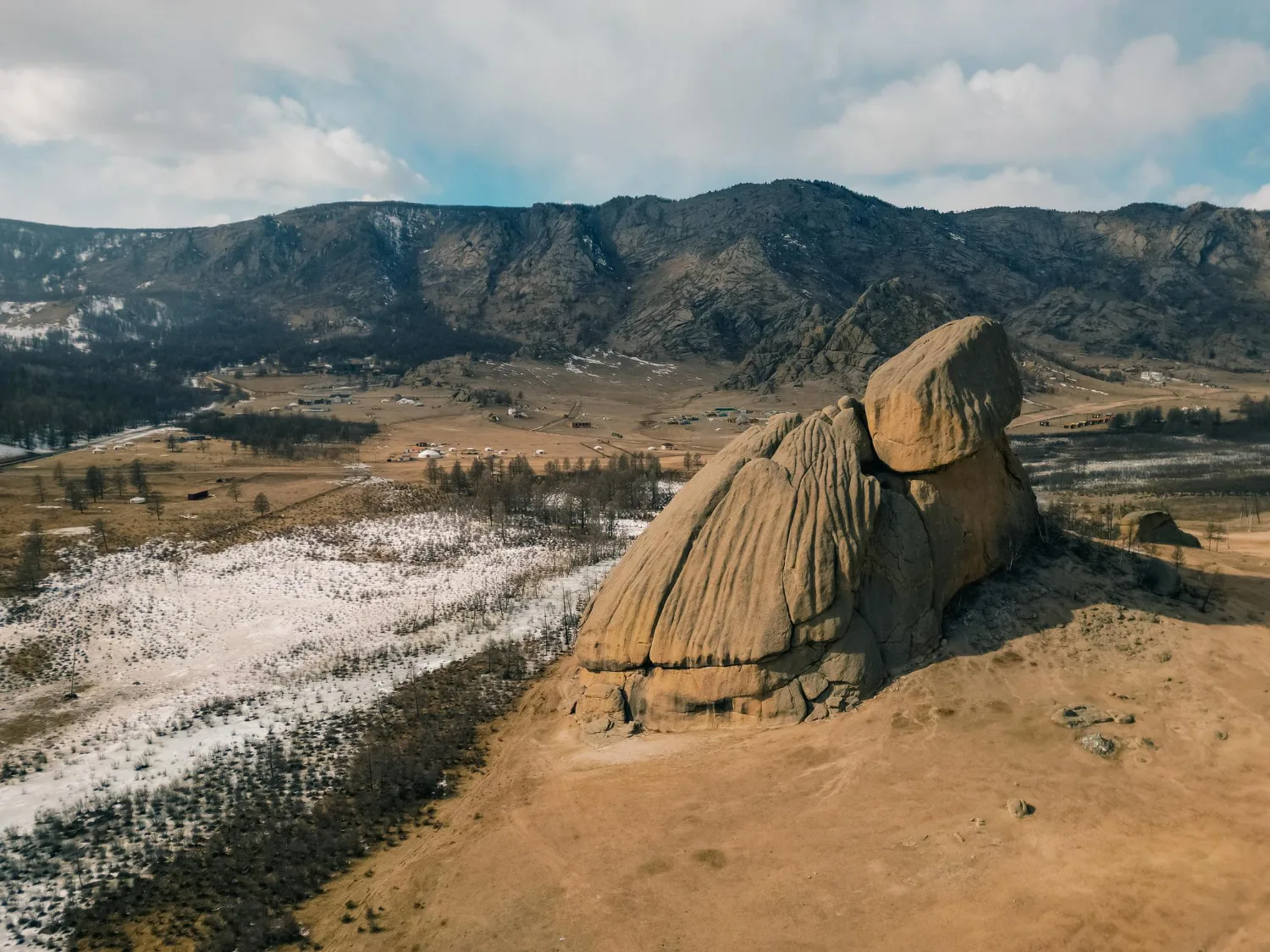
One of the easiest nature destinations to reach from Ulaanbaatar.
It’s popular for hiking, horse riding, dramatic rock formations and traditional ger stays.
Lake Khövsgöl
Located in northern Mongolia, Lake Khövsgöl offers a completely different landscape of clear water, mountains and forests.
Stay in a ger
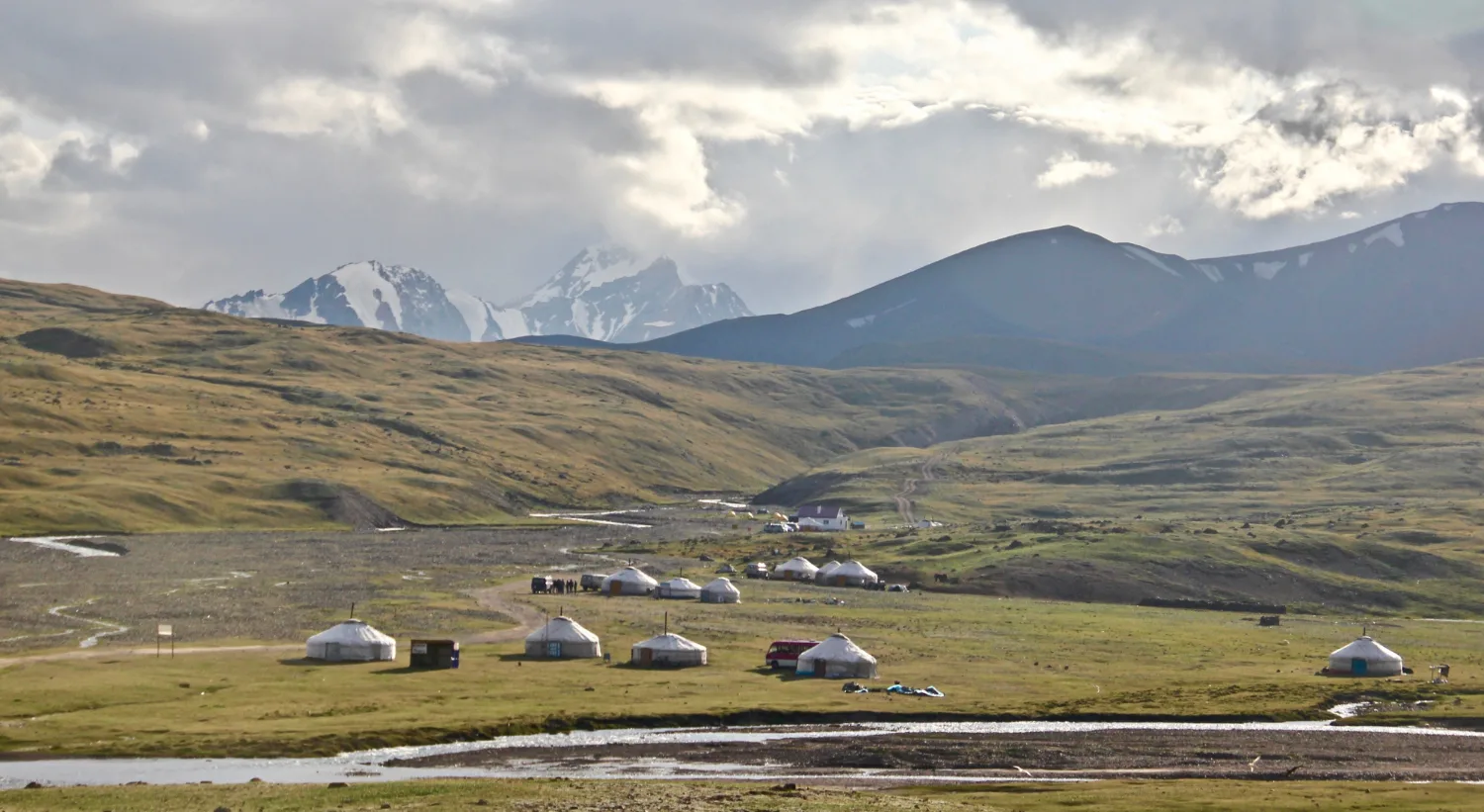
Spending at least one night in a traditional Mongolian ger is one of the country’s classic travel experiences.
Getting around Mongolia
Don’t underestimate distances.
Mongolia is huge, while its population is only around 3.5 million.
Outside Ulaanbaatar, travelling 200–300 km can take much longer than the same distance in Europe because road conditions vary considerably.
Travellers commonly use:
- organised tours;
- private drivers;
- 4x4 vehicles;
- domestic flights;
- trains for selected routes.
For remote areas, having an experienced local driver or guide can make travelling considerably easier.
Money in Mongolia
The local currency is the Mongolian Tögrög (MNT).
Cards are commonly accepted in Ulaanbaatar and larger businesses, but cash is useful outside major cities.
If you’re travelling into remote areas, don’t assume every ger camp, shop or service provider will accept international cards.
Withdraw or exchange some money before leaving major populated areas.
Language
The official language is Mongolian.
English is more common in Ulaanbaatar and within the tourism industry, but it is much less widely spoken in rural areas.
Google Translate or another translation app can be extremely useful.
Download the Mongolian language pack for offline use before heading into remote areas.
Do you need a visa for Mongolia?
Visa requirements depend on your nationality.
Mongolia has visa-free arrangements with a number of countries and also offers electronic visas to eligible travellers.
Immigration rules can change, so always check the latest requirements with the Mongolian authorities before travelling.
What should you download before travelling?
Before leaving an area with good internet, download:
- offline maps;
- Mongolian offline translation;
- accommodation addresses;
- flight and booking confirmations;
- your travel itinerary;
- important phone numbers;
- music or entertainment for long drives.
A power bank is also extremely useful. Mongolia involves long travel days and you may not always have easy access to charging.
Is Mongolia safe for independent travel?
Mongolia is a popular destination for adventurous and independent travellers, but its enormous distances require preparation.
The main practical issue isn’t necessarily crime — it’s remoteness.
In some areas you may be hours away from a major settlement, fuel station or reliable mobile signal.
Tell someone your route, carry enough water and don’t rely exclusively on your phone for navigation in remote regions.
Mongolia eSIM FAQ
Can I use an eSIM in Mongolia?
Yes. If your phone supports eSIM and is unlocked, you can use an international travel eSIM in Mongolia.
Does Mongolia have 4G?
Yes. 4G is available in Ulaanbaatar and many populated areas. Coverage can become limited or disappear completely in remote parts of the country.
Does eSIM work in the Gobi Desert?
Where the underlying mobile network has coverage, yes. However, you should not expect continuous coverage throughout the Gobi.
Can I use WhatsApp with a Mongolia eSIM?
Yes. WhatsApp, Messenger, Telegram and other internet-based apps work using your eSIM’s mobile data.
Can I keep my normal phone number?
Yes. On compatible dual-SIM phones you can normally keep your primary SIM active while using the Mongolia eSIM for mobile data.
How much data should I buy?
Around 5GB should be enough for many travellers using maps, messaging and normal browsing. Consider 10GB or more if you regularly use social media, upload videos or use your phone as a hotspot.
Should I buy my eSIM before arriving in Mongolia?
Yes. Buying and installing it before departure means you don’t need to find Wi-Fi or a SIM card shop after arriving.